Case study · Real Estate
listd.ph
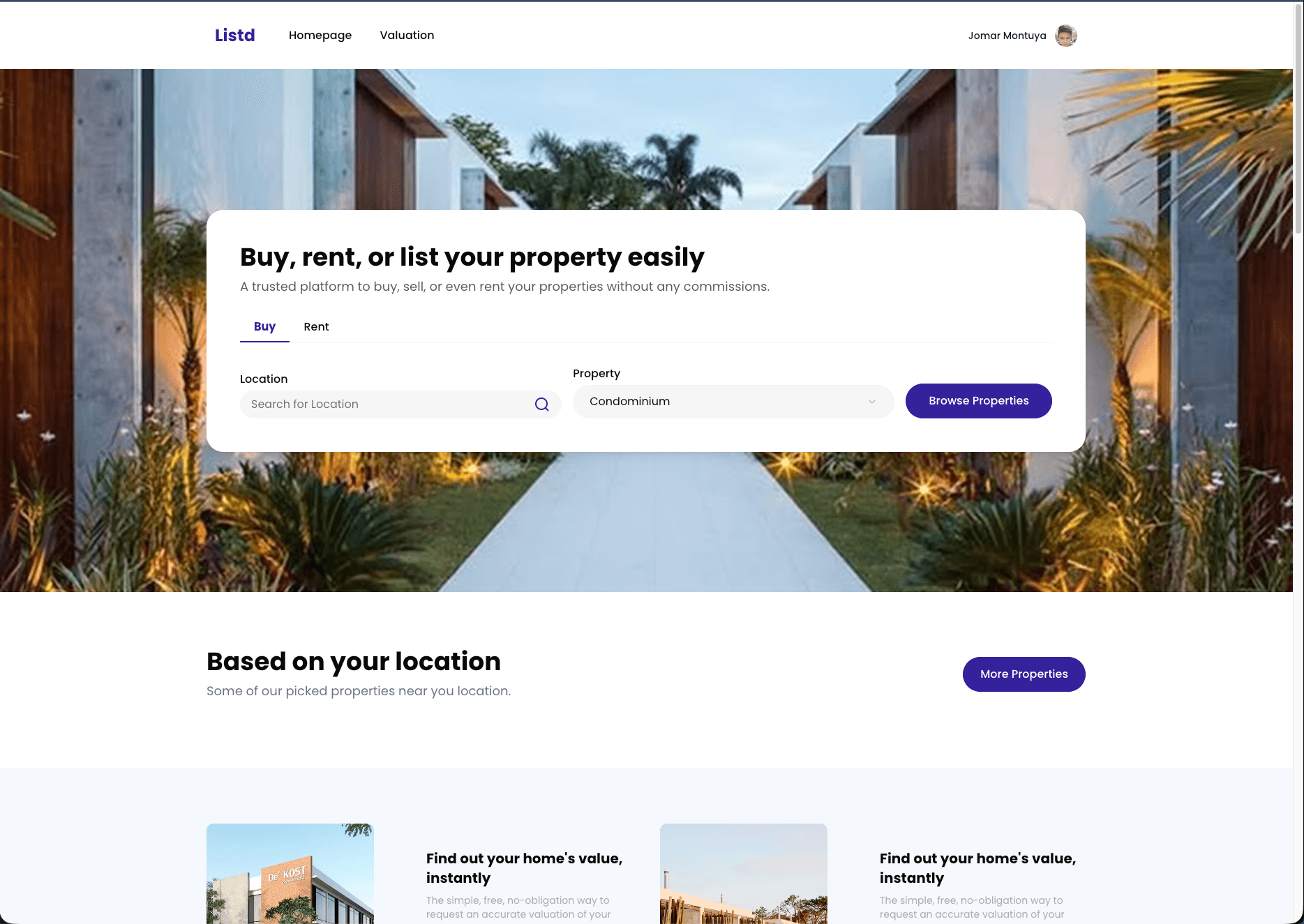
Helps people explore Philippine properties through search filters and an interactive map. Buyers can contact listing owners and share photos or documents within conversations, while sellers and agents can review AI-assisted price estimates. This connects property discovery with the information needed for further discussions.
As part of a team, I improved property search and map navigation and implemented messaging attachments across the frontend and Express backend. I also contributed fallback handling and result-source tracking to the AI-assisted valuation workflow.
- Year
- 2025
- Category
- Real Estate
- Status
- Live
The challenges
Property discovery leads into conversations with listing owners, where buyers may need to send photos or documents alongside their questions. The application needed to handle location selections, attachment messages, and incomplete valuation responses while making loading and sending failures visible.
Architecture
The attachment workflow connects a Next.js conversation interface to the Express messaging API. The frontend uses an existing upload helper before submitting attachment metadata, and PostgreSQL stores that metadata with the message.
Next.js conversation
Creates a temporary message with local attachment previews while the send request is in progress.
Upload and submit
Uploads the selected files through an existing helper, then sends their URLs, names, sizes, and types with the optional message text.
Express + PostgreSQL
Validates that text or attachments are present and saves the message with its attachment metadata in a JSONB array.
What I built
As part of the team, I extended property search to carry region selections from the location input into the page’s geographic query, alongside city, barangay, and province. I also corrected map-card links for property types containing spaces and added a fallback screen when listing details cannot be loaded.
I implemented attachment sending for both new and existing conversations. The frontend uploads selected files through an existing helper and submits their metadata with the message. For a new conversation, the flow creates the conversation before sending its first message. Temporary messages show the text and attachment previews immediately while the request is pending.
I added message components that display image previews, an image count, and links for other attached files. Pending messages have a distinct visual state, and failed sends show an explicit error. The attachment metadata includes file names, letting recipients identify linked documents within the conversation.
On the Express backend, I changed the message model from individual file fields to a JSONB array of attachments in PostgreSQL. I updated the service and validation to accept messages containing text, files, or both. Attachment-only messages no longer need placeholder text, while a request with neither text nor an attachment is rejected.
I also contributed to the existing AI-assisted valuation workflow. I added checks for zero estimates, low-confidence responses, configured low-value thresholds, and missing prices before accepting a result. I connected those conditions to the existing fallback flow and added metadata distinguishing AI-generated, database-fallback, and limited-data results, including fallback reasons and comparable-property counts where available.
Further reading
Educational articles about related concepts. Their examples do not establish work completed on this project.
Related projects
View all projects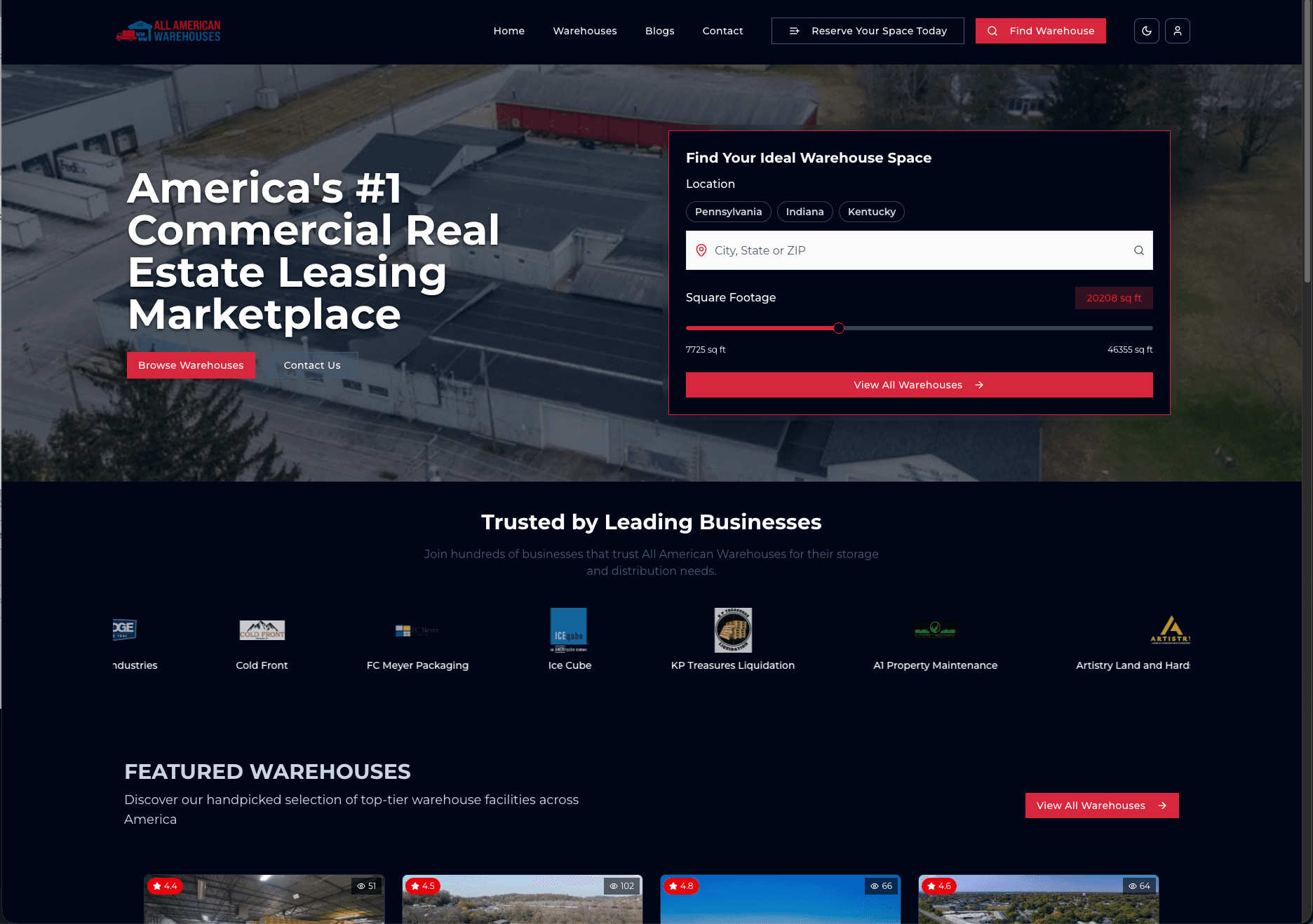
Case study · Real Estate
All American Warehouse
Helps people find warehouses that match their space, budget, and building requirements. Users can filter listings, view property photos and documents, and save properties with personal notes. The team manages listing information in one place to keep the website updated.
Case study · Real Estate
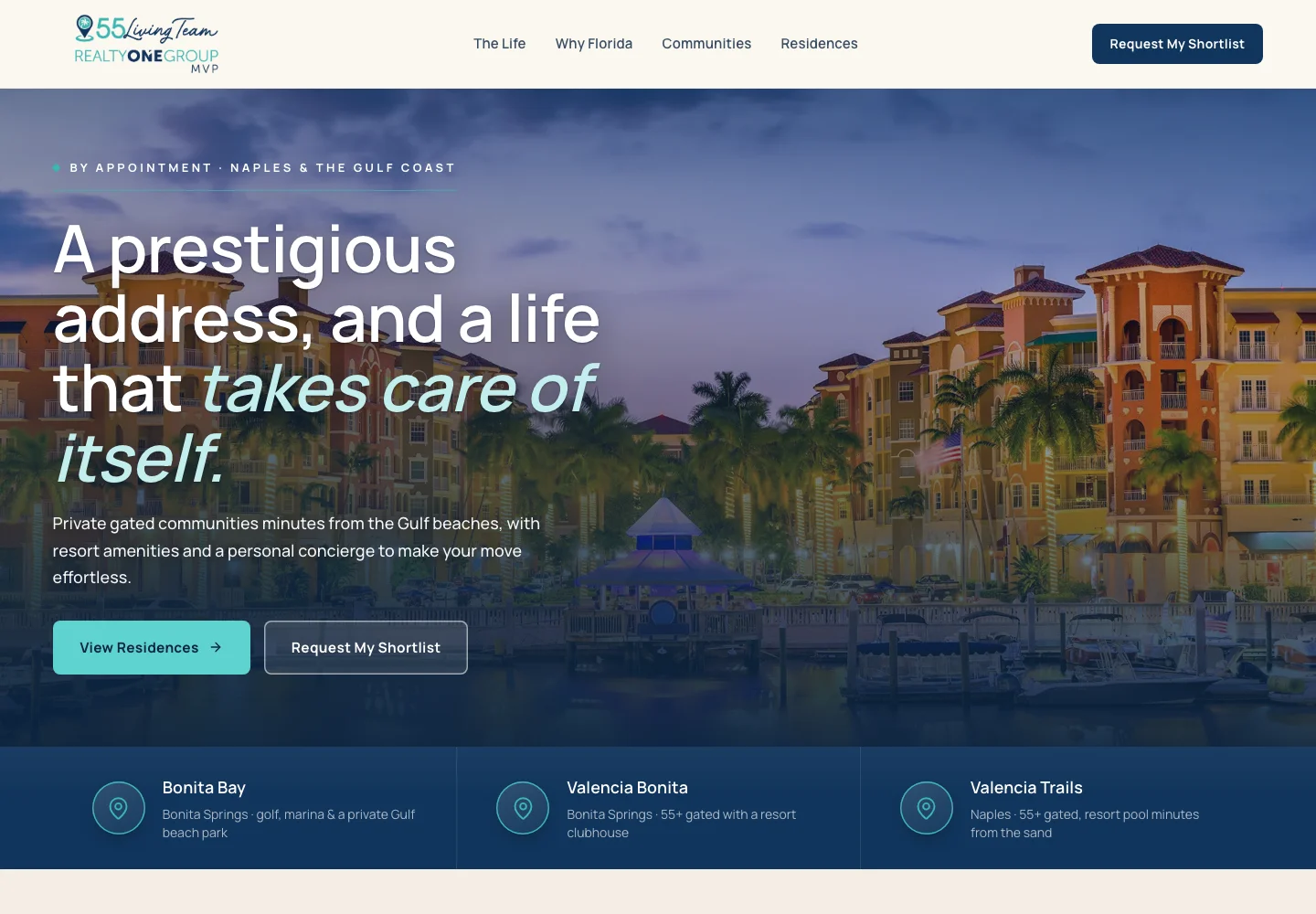
55 Living Team
Helps buyers explore homes and communities in Southwest Florida. Property listings update automatically, and buyers can narrow their search by budget, location, home type, and features. Enquiries are saved before email delivery, so the team can still follow up if an email fails.

Case study · Booking Platform
Dink Avenue
A pickleball court-booking application where customers can check available times, select a court, and submit a reservation. Staff can review payments and manage bookings, while owners can review revenue reports and download records. The application is currently being tested with sample venue information.